Key Takeaways: Bed Bugs and Thrifting
- Yes, you can get bed bugs from thrifting. Clothing, linens, and furniture can all carry bed bugs into your home.
- Bed bugs hide in more places than beds. Look for them in cracks, crevices, furniture joints, seams, and folded fabrics.
- Upholstered furniture and bedroom furniture require extra caution. Inspect these items thoroughly before purchasing or bringing them home.
- Preventing bed bugs starts with careful inspection. Checking seams, shaking out fabrics, and isolating secondhand items can help reduce your risk.
- Not every small bug is a bed bug. Carpet beetles, bat bugs, cockroach nymphs, and ticks are commonly mistaken for bed bugs.
- Professional detection can help identify hidden bed bugs. Waltham Pest Services’ canine detection team has been reported to achieve a 95-98% detection success rate, including when searching for a single nymph that may be easy to miss.
Buying secondhand is a great way to save money, find unique items, and give furniture and clothing a second life. But before bringing a thrifted find into your home, it’s important to know the risks.
Can you get bed bugs from thrifting?
Yes, you can get bed bugs from thrifting. Bed bugs can travel home in secondhand clothing, bedding, linens, upholstered furniture, and other pre-owned items. If an item has been exposed to bed bugs in a previous home or elsewhere along its journey, it may introduce these pests into your living space.
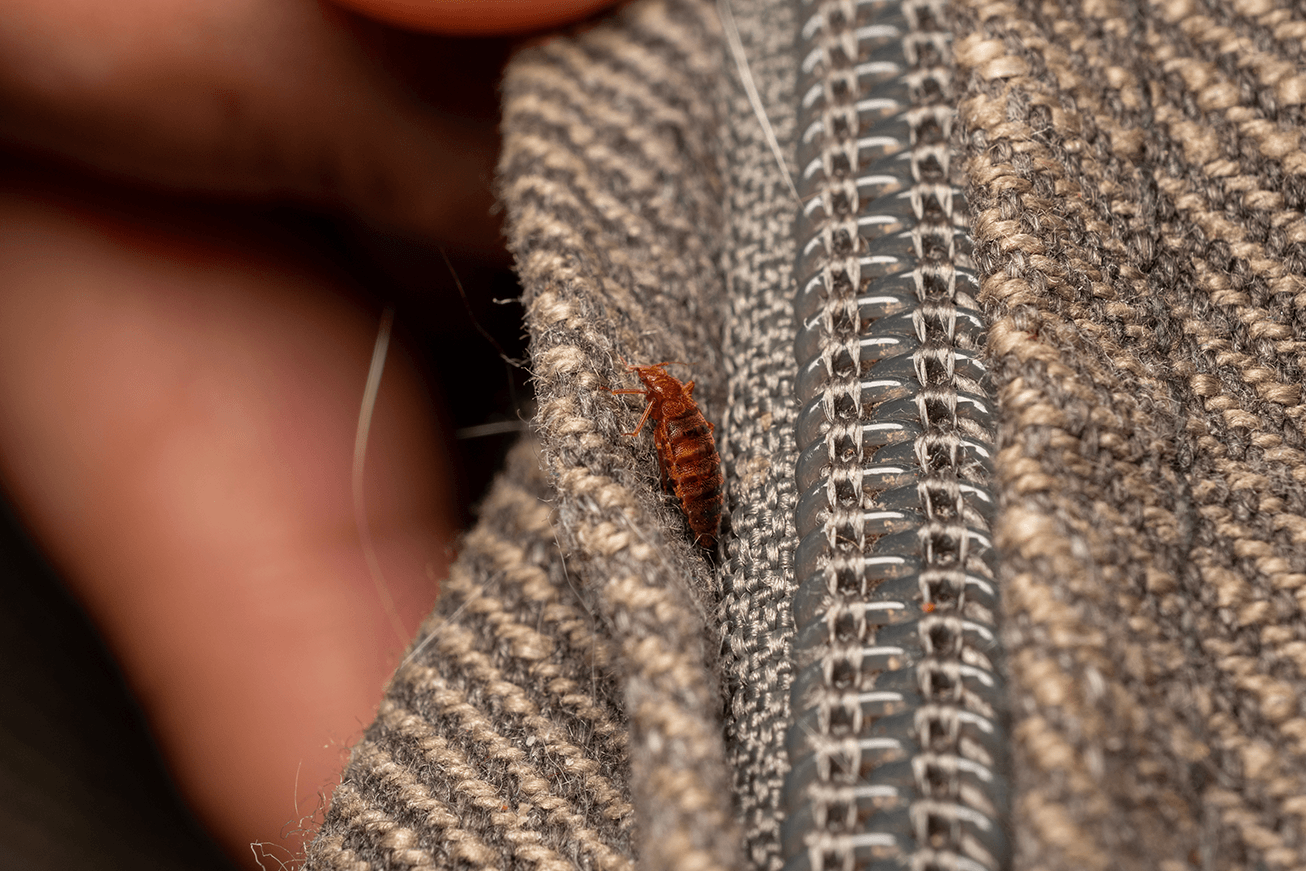
Bed bugs are not limited to mattresses and bed frames. They can hide in many materials and objects that come into close contact with people, including clothing, bed sheets, blankets, and furniture. These pests are especially good at hiding in small, dark spaces. Their ability to squeeze into cracks, crevices, seams, and folds means they can go unnoticed during a quick inspection by someone not trained. Thrifting can be an affordable way to find great items, but overlooking bed bugs can turn a bargain into an expensive problem.
At Waltham Pest Services, our technicians are trained to recognize bed bug activity, identify potential hiding places, and recommend appropriate treatment options. Our canine partners provide another layer of detection, helping locate bed bugs that might otherwise go unnoticed.
Can Secondhand Furniture Give You Bed Bugs?
Yes, secondhand furniture can give you bed bugs. Despite their name, bed bugs do not live exclusively in beds. They can hide in thrifted furniture if a piece comes from a home with bed bugs or becomes exposed to infested items elsewhere.
Bed bugs commonly hide in furniture cracks and crevices, along seams, and in areas where different pieces of material are stitched or joined together. A quick glance at the outside of a chair or sofa may not reveal what is hiding underneath.
How to Inspect Secondhand Furniture for Bed Bugs
Before bringing secondhand furniture home, take time to inspect its hard-to-reach areas:
- Flip removable cushions over and check underneath.
- Turn removable pillowcases or cushion covers inside out and dry them on high heat to kill any bugs you may have missed.
- Examine every corner of the furniture frame.
- Look closely at seams, stitching, joints, and crevices where bed bugs could hide.
Upholstered furniture is considered a higher-risk purchase because it contains numerous potential hiding places. Inspect these pieces thoroughly before purchase and avoid bringing them into your home until they have been checked for bed bugs.
Upholstered items are not the only furniture that can harbor bed bugs. Secondhand bedroom furniture also deserves careful inspection. Mattresses are an obvious concern, but bed bugs can hide in less noticeable places, including the corners of nightstand and dresser drawers. Examine the furniture carefully, paying particular attention to joints, corners, and small gaps.
The best approach is to inspect all secondhand furniture before purchasing it or bringing it into your home. If you cannot confidently check an item for bed bugs, consider having it professionally inspected before introducing it to your living space.
How Can You Check Thrifted Items for Bed Bugs Before Buying?
Inspecting secondhand items before you buy them is an important part of preventing bed bugs from thrifting. Because bed bugs prefer tight, dark hiding places, pay particular attention to seams, folds, edges, and stitching.
1. Inspect Linens and Other Fabric Items
Before purchasing thrifted clothing, turn each item inside out and examine the seams and stitching. Shake the clothing out and look closely at areas where fabric folds or layers overlap. Bed bugs can hide in these narrow spaces, making a quick visual check of the outside of a garment insufficient.
Use the same inspection process for secondhand pillowcases, blankets, bed sheets, and other cloth household items. Pay close attention to folded areas, seams, and edges, where bed bugs may find dark, sheltered hiding places. Lay items flat so you can examine as much of the material as possible. It’s a good rule of thumb to dry any fabric items on high heat for a while to kill any bed bugs you may have missed during your inspection.
2. Inspect More Than Just the Visible Surface
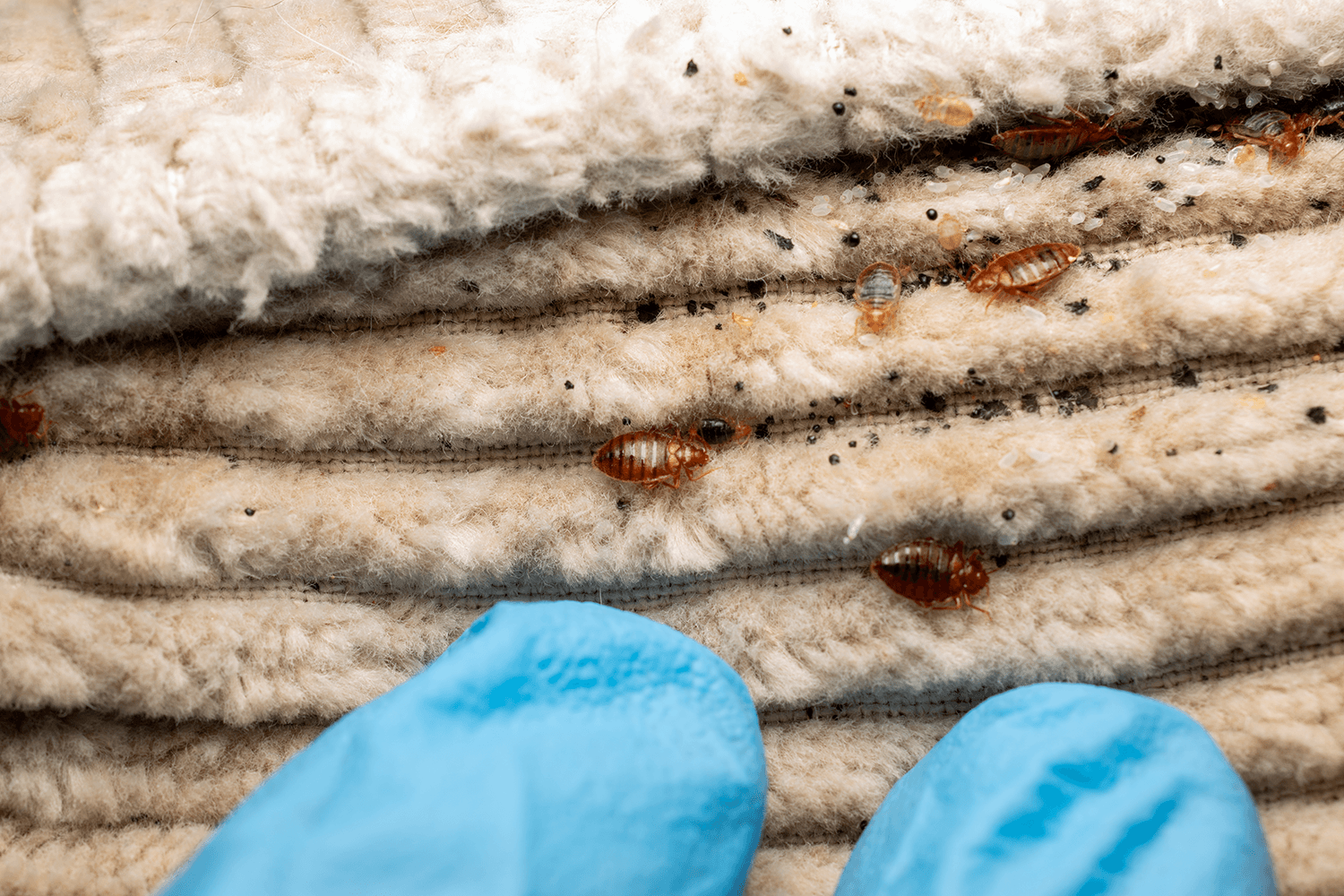
Bed bugs can hide in places that are easy to overlook, including furniture corners, cushion seams, drawer joints, and folded fabric. Take your time with each item, especially upholstered furniture and bedroom furniture. A careful inspection before purchase can help you avoid bringing an unwanted pest problem home.
3. Look for Signs of Bed Bug Activity
As you inspect secondhand items, look for tiny dark spots or smudges. These marks may be bed bug fecal matter or stains left behind from previous feeding. Although these signs do not automatically confirm an infestation, they are a reason to take a closer look before purchasing or bringing the item home.
How Can You Prevent Getting Bed Bugs from Thrifted Items?
Preventing bed bugs from thrifting starts with inspecting, shaking out, and isolating secondhand items before they enter your home. These precautions take a little extra time, but they can help reduce the risk of introducing bed bugs and dealing with a potential infestation later.
Follow these bed bug prevention tips whenever you shop for secondhand clothing, linens, furniture, or household items.
Bed Bug Prevention Checklist
- Inspect all fabric items thoroughly. Check seams, edges, corners, and folds where bed bugs may hide.
- Shake out clothing and linens. After shaking them out, lay the items flat and inspect the material for tiny dark spots or smudges.
- Isolate secondhand purchases. Keep items separated from your home’s furniture, bedding, and other belongings while you assess and treat them as appropriate.
- Use a high-heat dryer when appropriate. Dry clothing and linens on high heat if permitted by the manufacturer’s care instructions. Follow appropriate heat-treatment guidance rather than assuming every item can safely withstand high temperatures.
- Protect your existing mattress. Make sure your current mattress has a mattress encasement.
What Are Common Bugs That People Mistake for Bed Bugs?
Several small insects and other pests can be mistaken for bed bugs because of their size, shape, or color. Knowing the differences can help you recognize when you may need a closer inspection.
Here are four common bed bug look-alikes.
- Carpet Beetles – can be similar in size to bed bugs, but they often have a distinctive color pattern that may include white, black, brown, or yellow.Unlike bed bugs, carpet beetles can fly and do not bite people.
- Bat Bugs – closely related to bed bugs but typically feed on bats and stay near their hosts. They are often smaller and darker than bed bugs
- Cockroach Nymphs – Young cockroaches, known as nymphs, may resemble bed bugs because of their reddish-brown color. However, they generally have a more elongated, oval-shaped body and longer antennae.Cockroach nymphs also tend to move much faster than bed bugs.
- Ticks – Ticks can resemble bed bugs in size and color before feeding. After feeding, ticks become much larger and rounder.Ticks also have eight legs, compared with the six legs of a bed bug, and typically move more slowly.
If you find a bug that you suspect is a bed bug, avoid relying on color or size alone to identify it. A closer inspection by a trained professional can help determine which pest you’re dealing with and what steps to take next.
How Can Waltham Pest Services Help with Bed Bugs?
Waltham Pest Services technicians are trained in a range of bed bug detection and treatment techniques. They know where bed bugs are likely to hide and how to identify signs of activity that may be difficult to spot during a routine visual inspection.
Our canine detection team offers another way to look for bed bugs. These specially trained dogs can detect bed bugs discreetly and professionally, including individual nymphs that may be easy to overlook. The canine team has completed approximately 600 hours of training and has been reported to achieve a 95-98% success rate in bed bug detection.
Even if you do not suspect a bed bug problem, a professional inspection may help identify hidden activity before it becomes more difficult or costly to address. Following the inspection, our technicians can recommend a treatment option based on their findings and your specific bed bug concerns. Whether you are concerned about a recent secondhand purchase or want to take a proactive approach to bed bug prevention, Waltham Pest Services can help you understand your options.
Interested in a proactive bed bug inspection? Contact Waltham Pest Services today to schedule an appointment.
Frequently Asked Questions About Bed Bugs and Thrifting
Q: How long can bed bugs survive in thrifted items before you bring them home?
A: Bed bugs can survive for several months without feeding and, in cooler conditions, may survive for up to a year. This means that an item sitting in a thrift store for weeks may still carry live bed bugs when you bring it home.
Q: What temperature kills bed bugs in thrifted clothing?
A: Bed bugs die at temperatures above 120°F. Drying thrifted clothing and linens on high heat for at least 30 minutes is an effective way to kill bed bugs and their eggs before bringing these items into your home.
Always follow the manufacturer’s care instructions and ensure the selected heat-treatment method is appropriate for the item. For items that cannot safely withstand high heat, consider other suitable treatment options.
Q: Can bed bugs live in thrifted books or electronics?
A: Yes. Bed bugs can hide in the spines and pages of books, as well as in the seams and vents of electronics. Inspect these items closely before bringing them inside. Consider isolating them for a few weeks while assessing the risk, but keep in mind that isolation alone does not guarantee that bed bugs will be eliminated. Avoid applying heat or other treatments to electronics or delicate items unless the method is confirmed to be safe and appropriate.