Key Takeaways
- There are approximately 60 known species of rats worldwide, and researchers continue to study and identify new species.
- Norway rats are among the most common rat species in the United States.
- Other rat species include roof rats, wood rats, marsh rice rats, and cotton rats, although their ranges and habitats vary.
- Different types of rats have distinct physical characteristics, nesting preferences, and behaviors that can help you identify the rodents around your property.
- Waltham Pest Services’ BARRIER+™ program helps protect your home by addressing common entry points that rodents and other wildlife may use to get inside.
If you’ve spotted a rat in your home, you’re probably wondering what kind it is and whether there are more nearby. While there are approximately 60 known species of rats worldwide, homeowners in the New England are most likely to encounter a much smaller number of species.
Understanding the different types of rats, where they live, and how they enter homes can help you recognize a potential rodent problem and determine when it’s time to call a pest control professional.
How Many Different Types of Rats Are There?
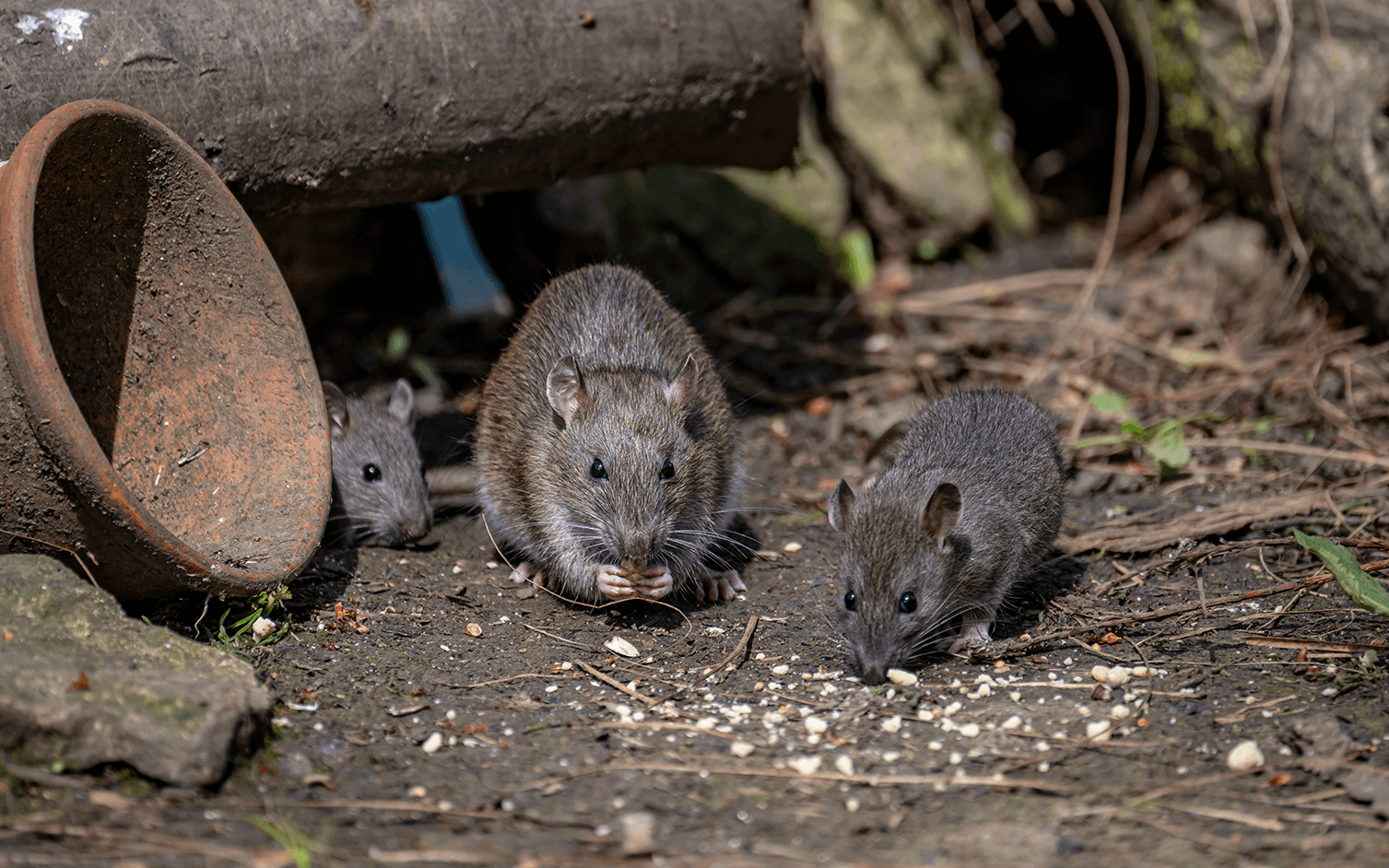
So, how many different types of rats are there? Scientists have identified approximately 60 species worldwide, although classifications and discoveries can change as researchers learn more about these animals.
Fortunately, most homeowners in New England only need to be familiar with a few species that may live near people or occasionally enter buildings. Rats are adaptable rodents that seek out food, water, and shelter. Depending on the species, they may burrow underground, nest in vegetation, or climb into attics and other elevated spaces. Knowing where different rats prefer to live can help you recognize the signs of activity around your property.
Here are five types of rats worth knowing about.
What Is a Norway Rat?
Don’t let the name fool you. Norway rats are found throughout much of the United States and are one of the most common rat species homeowners encounter. Also known as brown rats, they typically have brown or grayish-brown fur, a lighter-colored underside, small ears, and relatively small eyes.
Norway rats are among the larger rat species. Including the tail, they can measure approximately 15 to 20 inches long, with adults commonly weighing several ounces to more than a pound.
Unlike rats that prefer elevated nesting sites, Norway rats typically burrow at ground level. They may establish nests beneath sheds, along foundations, in gardens, near trash areas, or in other locations that provide cover and access to food. Their nests may contain shredded paper or fabric. Norway rats are also capable of entering buildings through gaps and openings, particularly when food and shelter are readily available.
To make your property less attractive to Norway rats:
- Keep garbage in tightly secured containers.
- Clean up fallen fruit, spilled birdseed, and other accessible food sources.
- Reduce clutter and debris near your home’s foundation.
- Check for gaps, cracks, and other potential rodent entry points.
What Is a Roof Rat?
Roof rats are generally smaller and slenderer than Norway rats. They typically have dark fur, prominent ears, and a long tail. Including the tail, adults may measure approximately 11 to 15 inches long.
As their name suggests, roof rats are excellent climbers. They prefer to nest above ground, often in trees, dense vegetation, attics, roof spaces, and ceilings. Roof rats can climb trees and other structures to reach openings near rooflines or vents. Overhanging branches and vegetation close to a building may also provide convenient routes toward potential entry points.
If you hear scratching or movement in your attic or ceiling, roof rats are one possible explanation. However, other rodents and wildlife can make similar noises, so identifying the pest is an important first step.
What Is a Wood Rat?
Wood rats, sometimes called pack rats, belong to a group of rodents known for collecting and carrying objects to their nests. Depending on the species, they may have gray, brown, or reddish-brown fur, large ears, and prominent eyes. Their size varies, but some wood rats measure more than a foot long, including the tail.
Wood rats are commonly associated with wooded areas, rocky habitats, and other sheltered outdoor environments. Some species may also nest in sheds, outbuildings, or attics. They’re known for gathering materials such as twigs, leaves, and other objects to build their nests. Their presence may be more likely around properties with abundant vegetation or outdoor clutter.
What Is a Marsh Rice Rat?
The marsh rice rat is a smaller rodent typically associated with wetland habitats in the southeastern United States. It has brown to grayish fur, often with warmer or reddish tones, and is adapted to living near marshes and other moist environments. Marsh rice rats generally measure less than a foot in body length, with the tail adding to their overall length. They are considerably smaller than adult Norway rats.
These rodents typically live in marshes or wetlands. Unlike Norway rats, marsh rice rats are not among the primary rat species most homeowners in the Northeast encounter. Their habitat preferences and geographic range make them more relevant in parts of the southern United States.
What Is a Cotton Rat?
Cotton rats are primarily found in the southern United States and other parts of the Americas. They typically have brown or grayish-brown fur, relatively small ears, and small eyes. Depending on the species, adults can reach approximately a foot or more in total length, including the tail.
Cotton rats generally prefer ground-level habitats with plenty of vegetation. They may nest in tall grasses, fields, brush, and areas around the bases of shrubs. These rodents are more closely associated with outdoor habitats than with the indoor nesting behavior commonly seen with some other rat species. However, vegetation and debris close to buildings can provide shelter for rodents and may contribute to unwanted activity around a property.

How Can Waltham Pest Services Help with Rat Problems?
Identifying the type of rat you’re dealing with is an important first step. But if rats have made their way into your home, you’ll also need to address the activity and determine how they’re getting inside.
At Waltham Pest Services, we understand the stress and potential property damage that rodents can cause. Rats can contaminate areas with their droppings and urine, and their persistent gnawing can damage building materials and electrical wiring.
Our approach to rodent control starts with identifying the problem and locating potential entry points. Our BARRIER+™ program provides the protection you’re looking for by helping seal common gaps along your home’s foundation. Even small openings can give rodents an opportunity to enter. By combining professional rodent control with practical prevention measures, we help you protect your home and make it less inviting to unwanted pests.
You shouldn’t have to share your home with rats. Waltham Pest Services is here to help you take control of rodent problems and protect the place you call home.
Frequently Asked Questions About Rats
Q: What is the most common type of rat in the United States?
A: The Norway rat, also known as the brown rat, is one of the most common and widespread rat species in the United States. It is frequently found around buildings, trash areas, and other places where food and shelter are available.
Q: How can you tell the difference between Norway rats and roof rats?
A: Norway rats are typically larger and stockier, with smaller ears and a preference for burrowing at ground level. Roof rats are generally smaller and more slender, with larger ears and strong climbing abilities. Roof rats often nest in trees, attics, and other elevated spaces, while Norway rats commonly nest in burrows.
Q: Do rats come back after you remove them?
A: Yes. Rats can return if conditions around your home continue to provide food, shelter, and access to the interior. Addressing entry points, securing garbage, reducing outdoor clutter, and maintaining your property can help reduce the risk of another infestation. Professional exclusion services and solutions such as BARRIER+™ can provide additional protection against rodents attempting to enter your home.