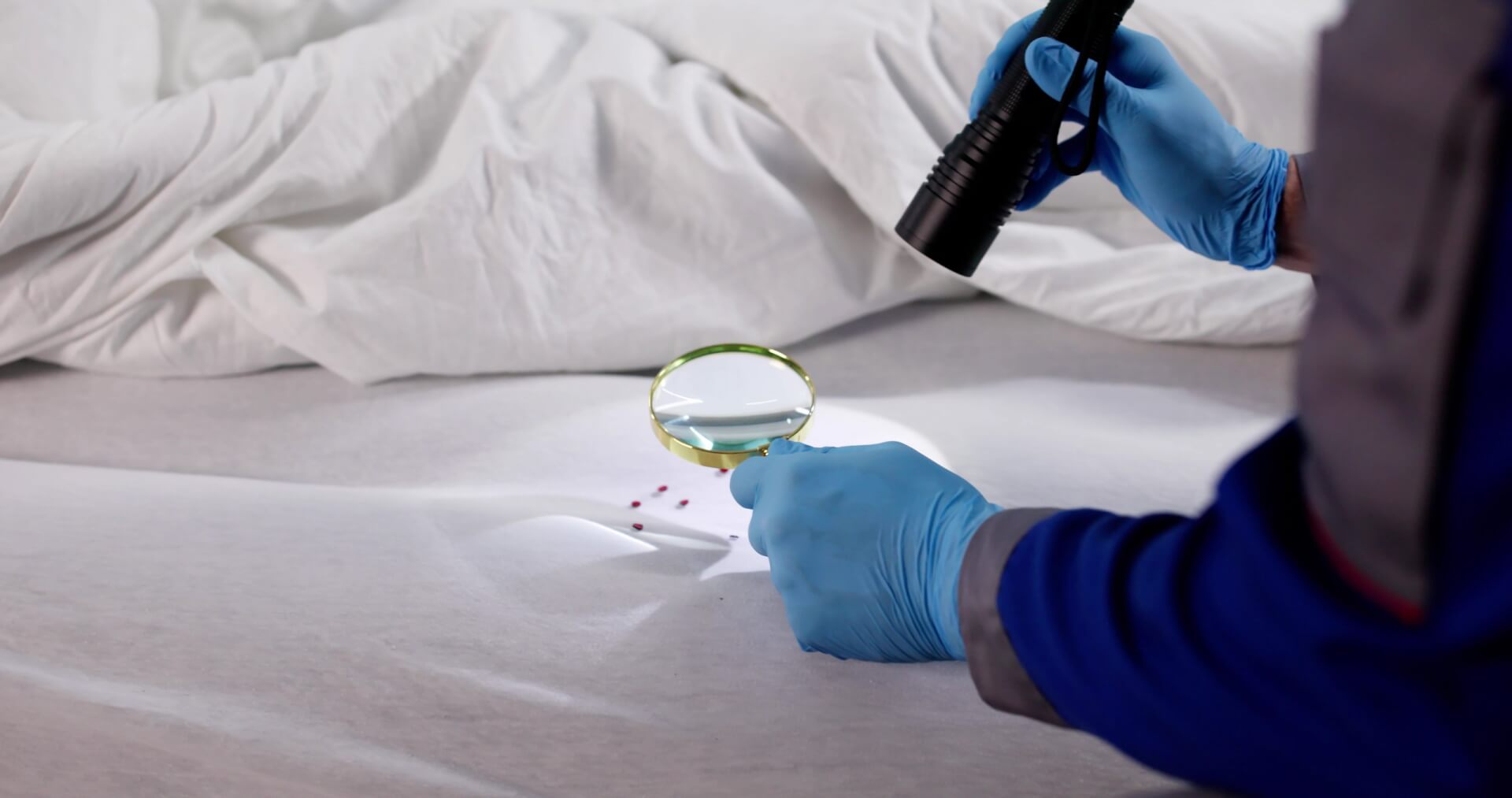
Finding bed bugs in your home can be stressful. Your first instinct may be to act immediately, however doing anything before you understand the extent of the problem can make bed bug removal more complicated. The right way to prepare for bed bug treatment comes down to three steps: preserve the evidence, call a pest control expert, and prepare your home only once a professional has guided the process. At Waltham Pest Services, we take a consultative approach to pest management, combining professional expertise with targeted solutions to help protect homes and businesses. Below are some steps so you can take before a professional inspection.
- Take a photo. Photograph any suspected bed bugs, shed skins, or other signs of activity. Clear images can help your pest control professional assess the situation.
- Save a sample if possible. Place a specimen in a securely sealed container or bag, provided you can collect it safely.
- Leave infested items in place. Avoid carrying mattresses, upholstered furniture, or other potentially infested belongings into different rooms.
- Contact a professional. Share your photos and observations to help your technician determine the next steps.
Why Should You Call a Bed Bug Expert Instead of Trying DIY Treatments
When bed bugs appear, it can be tempting to purchase an over-the-counter spray or try a home remedy. Unfortunately, DIY treatment for bed bugs often fails to address the entire infestation and can sometimes make the problem worse. Using the wrong products or applying them incorrectly may create additional problems, as some products can disperse bed bugs into untreated areas, while others may provide a false sense of security without eliminating the infestation. Professional pest control experts understand bed bug behavior and can develop a targeted approach based on the inspection findings.
Waltham Pest Services combines experienced technicians, specialized detection capabilities, and treatment options designed to address bed bug problems. Our goal is to help you understand your options and move forward with a plan tailored to your needs. Instead of spending time and money on repeated DIY attempts, contact a professional to determine the most appropriate next steps.
What Are the Steps to Prepare Your Home for Bed Bug Treatment?
The best time to begin bed bug prep is after your pest control professional has inspected your home and provided instructions. Preparation requirements can vary depending on the treatment method and the extent of the infestation. Typically, homes can benefit from taking a three-stage approach: collect, clean, and protect.
Step 1: Collect Bedding, Clothing, and Other Fabric Items
Start by gathering the items your technician identifies for preparation. These may include:
- Sheets, pillowcases, blankets, and bed skirts
- Clothing stored in infested rooms
- Washable curtains and other fabric items
- Pillows, stuffed animals, and removable fabric covers, when directed
Separate machine-washable items from those requiring special care. Place items in securely sealed plastic bags before transporting them to the laundry area to help prevent bed bugs from spreading.
A dryer cycle using the right heat setting can help kill bed bugs and their eggs. Be sure to keep cleaned items separate from untreated belongings using fresh, sealed bags or other approved storage methods as directed by your technician.
Step 2: Clean and Reduce Clutter
Bed bugs can hide in mattress seams, furniture joints, cracks, crevices, and other sheltered areas. Depending on your treatment plan, preparation may include:
- Removing unnecessary items from under beds and around furniture.
- Clearing accessible areas along baseboards and in closets.
- Emptying drawers or closets if instructed by your technician.
Avoid moving clutter into another room or placing belongings on beds and furniture that may be infested. Bag and handle items according to your technician’s instructions.
Step 3: Protect Mattresses and Prevent Future Bed Bug Problems
After treatment, your technician may recommend additional measures to help manage bed bugs and reduce potential hiding places.
One option is a bed bug-proof mattress and box spring encasement. They can help limit access to seams and help contain bed bugs that remain inside the encased item. These encasements are not a standalone bed bug treatment and should be used as part of a broader pest management plan. Other preventive steps can include:
- Inspecting secondhand furniture before bringing it indoors.
- Checking luggage and belongings after travel.
- Avoiding the transfer of potentially infested items between rooms.
- Following your technician’s monitoring and follow-up recommendations.
Who Should You Contact About Bed Bug Issues?

Waltham Pest Services provides professional bed bug solutions, including traditional treatment options, heat treatments, and canine detection services. Our team combines experience and specialized knowledge to help you determine the right next step. Start by documenting the evidence, leaving potentially infested items in place, and scheduling an inspection with experienced pest control experts.
Contact Waltham Pest Services to request an inspection and learn more about your bed bug control options.
Frequently Asked Questions About Bed Bug Treatments
Q: How long does bed bug treatment take?
A: Most treatments require more than one visit to full address bed bugs, but timelines vary by infestation size and treatment method. Your pest control specialist can give you a timeline specific to your home.
Q: Can I stay in my home during bed bug treatment?
A: The answer is no, in most cases. It will depend on the treatment method your specialist uses, but you should expect you, your family, and your pets to be out of the house during the time of treatment and until the all-clear is given. Always follow their specific guidance on when it’s safe to return to treated rooms.
Q: Will I need to throw away my mattress?
A: Not necessarily. Many mattresses can be treated and protected with a bed bug encasement rather than replaced. Your pest control specialist can assess whether your mattress needs removal or can be safely treated.