Canine Bed Bug Detection: How Bed Bug Dogs Help Protect Your Business
Key Takeaways
- Canine bed bug detection uses specially trained dogs to identify bed bugs by scent, including a single live bed bug or viable egg.
- Waltham Pest Services’ canine detection team achieves 95–98% effectiveness at detecting bed bugs during inspections.
- Early detection can help businesses target treatment, reduce operational disruptions, and protect their reputations.
- Canine inspections work best as part of an integrated pest management (IPM) program that combines monitoring, prevention, and professional treatment.
- Waltham offers canine bed bug detection services for commercial properties, including hospitality, healthcare, senior living, and multifamily buildings.
What Is Canine Bed Bug Detection?
Canine bed bug detection is a pest inspection method that uses specially trained dogs to locate bed bugs by scent, helping businesses identify potential infestations before they spread. Working alongside trained handlers, detection dogs can alert to the presence of bed bugs in areas that may be difficult to inspect visually.
For businesses, early bed bug detection can make the difference between addressing an isolated introduction and managing a more extensive infestation.

Bed bugs are expert hitchhikers. They can travel on luggage, clothing, and personal belongings, entering hotels, healthcare facilities, apartment communities, and other commercial properties where people frequently come and go. Once inside, these pests can hide in mattress seams, bed frames, upholstered furniture, and tiny cracks and crevices. By the time someone notices visible signs of bed bug activity, the problem may already require a more extensive response.
That’s why Waltham Pest Services offers canine bed bug detection as part of its broader approach to commercial pest management. Our trained dogs and handlers help identify potential bed bug activity so businesses can take informed, proactive steps to protect their properties.
How Accurate Is Canine Bed Bug Detection?
The Waltham Pest Services canine bed bug detection team achieves 95-98% effectiveness at detecting bed bugs during inspections, based on the company’s published service information. That performance comes from specialized training and the partnership between the detection dog and its handler.
Waltham’s bed bug detection dog is trained daily using live bed bug scent. The dog and handler also receive ongoing training and evaluation informed by scientific research principles. This training helps the dog recognize bed bug scent and alert the handler when it detects a potential source. The handler interprets the dog’s behavior and identifies the area requiring further attention.
Although no inspection method guarantees that every bed bug will be found in every situation, canine detection provides an additional tool for identifying activity that a visual inspection alone might miss.
What Are the Benefits of Bed Bug Dogs?
Bed bug dogs help businesses address three common challenges: finding hidden pests, inspecting larger properties efficiently, and responding before a small introduction becomes a larger problem.
- Earlier Identification of Bed Bug Activity: Trained detection dogs locate bed bugs by scent, they may identify activity before an employee, resident, or guest sees a live insect. This can be particularly valuable for businesses where early intervention is important to maintaining operations and protecting customer confidence.
- Efficient Inspection Coverage: Some canine inspection teams can cover up to 125 rooms per day, depending on the property, layout, and inspection requirements. For hotels, healthcare facilities, senior living communities, and multifamily properties, this efficiency can support proactive monitoring across a larger portion of the building.
- More Targeted Pest Management: Canine bed bug inspections help pinpoint areas of concern, allowing pest management professionals to determine where follow-up inspection or treatment is needed. By focusing attention on areas most likely to have activity, businesses may be able to reduce unnecessary disruption and avoid the costs associated with a more extensive infestation.
What Are the Signs of Bed Bug Activity?
Recognizing the signs of bed bug activity is an important part of prevention, even when a business uses professional canine detection.
Common warning signs include:
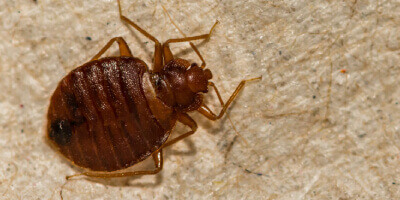
- Live bed bugs: Small, reddish-brown insects that may be found around mattresses, bed frames, upholstered furniture, and other hiding places.
- Dark spotting: Small dark marks on mattress seams, bedding, furniture, or nearby surfaces that may indicate bed bug activity.
- Shed skins: Bed bugs leave behind their exoskeletons as they develop.
- Eggs or eggshells: Tiny, pale eggs or their remains may be present near hiding areas.
- Unexplained reports of bites: Reports of bites may warrant investigation, although bites alone cannot confirm a bed bug infestation.
Finding one of these signs does not always establish the extent of an infestation. A professional inspection can help determine whether bed bugs are present and what steps are appropriate.
Importantly, businesses should not wait for visible evidence before considering proactive monitoring. Canine detection can help identify potential introductions earlier, when they may be easier to address.
Is Canine Bed Bug Detection the Most Effective Bed Bug Detection Method?
Canine bed bug detection is a highly effective inspection tool when performed by a properly trained dog-and-handler team. It can complement traditional visual inspections and other monitoring methods as part of a comprehensive pest management program. For businesses with frequent guest turnover, shared living spaces, or multiple rooms and units, canine inspections can provide an important layer of proactive monitoring.
However, canine detection is not a substitute for a complete pest management plan. When a dog alerts to a potential problem, the findings should guide appropriate follow-up inspection and any necessary treatment.
At Waltham Pest Services, canine detection is one of several strategies that can be incorporated into an integrated pest management program tailored to your facility.
How Can Businesses Prevent Bed Bug Infestations?
Canine inspections can help identify potential bed bug introductions, but prevention also depends on consistent procedures and a timely response. An integrated pest management (IPM) program combines inspection, monitoring, prevention, and appropriate treatment to address existing pest activity and reduce future risks. Businesses can strengthen their bed bug prevention efforts with the following practices.
- Establish a Clear Response Procedure: Create a process for employees to follow when someone reports a suspected bed bug. Identify who should be notified, how the concern should be documented, and when access to the affected area should be restricted.
- Educate Employees About Bed Bug Identification: Train staff to recognize common signs of bed bug activity and understand how to report suspected findings. Employees should know which areas to check, how to document concerns, and why suspected bed bugs should be reported promptly rather than handled independently.
- Reduce Clutter and Improve Inspection Access: Keep storage areas organized and limit unnecessary clutter around beds, upholstered furniture, and other potential hiding places. Mattress and box spring encasements may help make inspections easier. Hard-surface flooring can also simplify visual inspection in some settings, although neither measure prevents bed bugs from entering a property.
Why Choose Waltham Pest Services for Canine Bed Bug Inspections?
Waltham Pest Services combines trained canine detection with a broader commercial pest management strategy designed around your facility and pest pressures. Our canine bed bug detection team uses ongoing training and evaluation to help identify potential activity. When combined with monitoring, prevention, and appropriate treatment, canine inspections can help businesses stay ahead of bed bug problems rather than waiting for a visible infestation.
We understand that a hotel, healthcare facility, senior living community, and multifamily property each have different operational needs. That’s why our approach focuses on identifying the right strategies for your facility.
Ready to take a proactive approach to bed bug prevention? Contact Waltham Pest Services to learn more about our canine bed bug inspections and develop a pest management plan tailored to your business.
Bring in the dogs. We’ll help you stay one step ahead.
Frequently Asked Questions About Canine Bed Bug Detection
Q: How often should a business schedule a canine bed bug inspection?
A: Businesses can benefit from routine inspections. The recommended frequency depends on the property’s occupancy, history of bed bug activity, and overall risk. A pest management professional can help determine an appropriate schedule.
Q: Can canine bed bug detection find bed bugs that visual inspections miss?
A: Yes. Trained dogs use scent to locate potential bed bug activity in places that may be difficult to inspect visually. Canine inspections complement visual inspections, but no detection method guarantees that every bed bug will be found.
Q: What happens when a bed bug dog alerts to a room?
A: The handler evaluates the alert and identifies the area of concern. A pest management professional can then determine whether additional inspection or what treatment is appropriate.