What Should You Do About Pests in Your Attic Insulation?
Key Takeaways
- Attic insulation can harbor mice, rats, squirrels, wasps, and cockroaches, along with the bacteria, fungal pathogens, and urine these pests leave behind.
- Once attic insulation is contaminated by pest droppings, urine, or nesting materials, it cannot be cleaned and must be removed and replaced.
- Addressing pest-contaminated attic insulation involves five steps: removing the pests, sealing entry points, removing contaminated insulation, cleaning and disinfecting the area, and installing new insulation.
- Waltham Pest Services can help you address a pest problem and determine the appropriate next steps to protect your attic and home.
Your attic may be home to more than stored boxes and forgotten belongings. It also contains insulation, which can become a hiding and nesting place for mice, rats, wasps, squirrels, and even cockroaches.
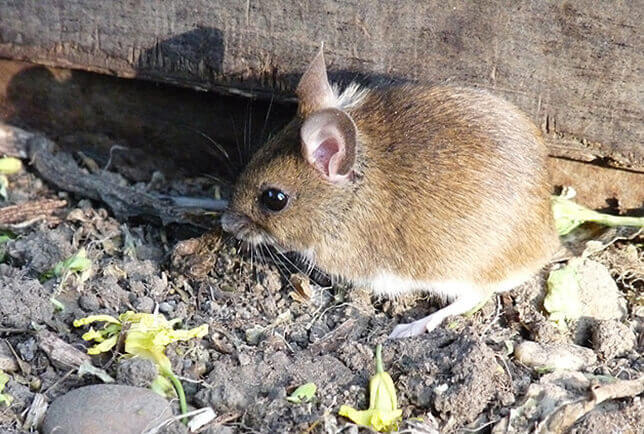
When pests invade attic insulation, they can leave behind bacteria, fungal pathogens, urine, and nesting materials. These contaminants can contribute to mold growth, and airborne contaminants may travel into your home’s main living areas, potentially affecting your family’s health.
Regardless of the type of insulation in your attic, contaminated material cannot simply be cleaned. It needs to be removed and replaced. So, what should you do if pests have contaminated your attic insulation? Follow these five steps to address the pest problem and restore your attic.
Can Contaminated Attic Insulation Be Cleaned?
No. Once attic insulation has been contaminated by pest droppings, urine, or nesting materials, cleaning is not an option. The contaminated insulation must be removed and replaced.
Removing the source of contamination is an important part of resolving the problem. The five steps below address the pests, their entry points, and the contaminated insulation to help restore a clean and comfortable home environment.
What Are the 5 Steps to Fixing Pest-Contaminated Attic Insulation?
Step 1: Remove the Pest Problem
The first step is to remove the pests from your attic. A trusted pest control company can help identify the pests involved and address the infestation safely and thoroughly.
This step is essential. If the pests are not removed before the insulation is replaced, they may return and contaminate the new insulation. Professional pest control helps address the existing pest problem before moving on to the remaining steps.
Step 2: Identify and Seal Entry Points
If pests have entered your attic, there is an access point somewhere in your home’s exterior. Unless those entry points are sealed, pests may continue to return.
A pest control company can identify potential access points and may be able to repair some of them directly. Larger structural repairs may require the assistance of a roofer or contractor.
Addressing these openings helps reduce the likelihood of pests returning to your attic and damaging or contaminating the replacement insulation.
Step 3: Remove the Contaminated Attic Insulation
Insulation that is stained or soaked with urine needs to be removed and replaced. Contaminated insulation is not only a potential health concern; it can also produce persistent, unpleasant odors that remain until the source is eliminated.
Removing the affected insulation helps remove much of the odor and contamination associated with it, including bacteria left behind by pests. This should be done by a professional since disturbing contaminated insulation can cause bacteria to enter the air you and your family breathe.
Step 4: Clean and Disinfect the Area
After the contaminated insulation has been removed, the attic space should be thoroughly cleaned and disinfected.
This step helps ensure that the underlying problem has been addressed rather than simply covered up with new insulation. Although cleaning may be one of the less enjoyable parts of the process, it is an important step toward restoring the attic. This, too, should be done by a professional that knows how to safely perform a pest cleanup service.
Once cleaned, it’s also a good opportunity to sort through stored belongings and decide what to keep before installing new insulation.
Step 5: Install New Attic Insulation

Insulation plays an important role in maintaining your home’s comfort and energy efficiency. It helps keep warm air inside during colder months and cool air inside during warmer months.
Without adequate insulation, your heating and cooling systems may have to work harder to maintain comfortable indoor temperatures. This can increase energy bills and place unnecessary strain on your HVAC equipment.
Installing new attic insulation is the final step in the process. Once the pests have been addressed, entry points have been sealed, contaminated materials have been removed, and the area has been cleaned and disinfected, new insulation helps restore your home’s comfort and efficiency.
How Waltham Pest Services Can Help with Attic Pests
When pests contaminate your attic insulation, addressing the infestation is an important first step. Waltham Pest Services can help you address your pest control needs and determine the appropriate next steps for your home.
Resolving a pest problem involving attic insulation may require pest removal, sealing entry points, removing contaminated insulation, cleaning and disinfecting the attic, and installing new insulation.
You may also need to clean out the attic of belongings – not the insulation – yourself before replacement insulation is installed. While sorting through your stored belongings, you might even rediscover old yearbooks and other items you forgot were there.
Contact Waltham Pest Services to discuss your attic pest concerns and learn about the appropriate next steps for your home.
Frequently Asked Questions About Attic Insulation and Pest Control
Q: How do I know if my attic insulation is contaminated by pests?
A: Common signs of pest-contaminated attic insulation include a persistent musty or urine-like odor, visible droppings or nesting materials, stained or matted insulation, and noises coming from the attic at night.
A professional pest control inspection can help confirm whether contamination is present and identify the pests responsible.
Q: How much does attic insulation removal and replacement cost?
A: Attic insulation removal and replacement rates vary depending on several factors, including the size of the attic, the extent of contamination, and whether structural repairs are necessary to seal pest entry points.
Waltham Pest Services can discuss your pest control needs and help you determine the appropriate next steps. For an estimate covering insulation removal and replacement, the relevant insulation service provider can assess your attic and explain the expected costs before work begins.
Q: How long does attic insulation removal and replacement take?
A: Most attic insulation projects involving pest removal, old insulation removal, and new insulation installation can be completed within a few days. The actual timeline depends on the size of the attic and the scope of any necessary repairs.
Q: Can I remove contaminated attic insulation myself?
A: Removing contaminated attic insulation yourself is not recommended. Insulation contaminated by pests can contain bacterial and fungal pathogens that pose health risks without appropriate protective equipment and disposal methods. A professional pest control and insulation team can handle the removal process safely and dispose of contaminated materials properly.