Little Black Ant Facts & Information
Everything you need to know about little black ants
What Do Little Black Ants Look Like
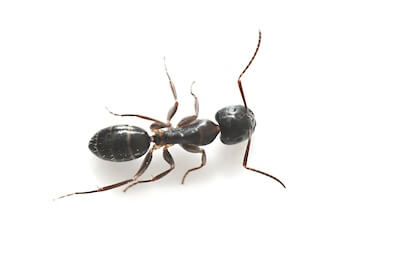
While they can be dark brown, little black ants are usually true to their name and are jet black. Even though they are about 1/16 of an inch, because they are so dark, they are easy to spot on lighter surfaces. They have the typical 6 legs, antennae, and their body is separated into three unevenly rounded segments. They also have a spineless thorax.Not the ant you have?
How Did I Get Little Black Ants
Little black ant swarms are common from June to August, during which time they forage in trails and are frequently seen along sidewalks. These small ants feed on grease, oil, meats, fruits, and vegetables materials such as corn meal and sweets. The workers also feed on other insects, honeydew and plant secretions. With how tiny they are, it’s very easy for them to get inside your building – whether it’s a house or a business. If you have any of the items they like to eat, they will happily march into your building with many other trailing behind.
Where Do Little Black Ants Live
Little black ants are found throughout the United States, especially in the eastern region. The prefer wooded areas. In yards, they nest under rocks, in rotting logs, and under piles of bricks or lumber. Indoors, nests are located in woodwork, wall voids, decaying wood, masonry, and behind facades.
What Problems Do Little Black Ants Cause
Little black ants do have a stinger, but it is often too small and weak to be effective. They are mostly a nuisance pest, but that doesn’t mean you want them in your home or business! Ants can bring with them the stigma that your home or business isn’t clean. While these ants may just be a nuisance, that nuisance can surely hurt a reputation.
How Do I Prevent Little Black Ants
There are a few things that can be done around your property to help prevent a little black ant infestation. Seal cracks and crevices in exterior walls with a silicone-based caulk, ensure firewood is stored at least 20 feet away from the home, and keeping shrubbery well-trimmed will all help prevent ant infestations. It’s also important to note the location of the nest. While it can be difficult to see these ants due to their small size, their nests can be found by following the trail of workers back to the colony. You should also consider working with a licensed pest professional to employ a preventative pest management plan for ants and so much more.
Why Waltham for Little Black Ant Control
We’re passionate about keeping all ant species out of your home or business because we live and work here – it’s our neighborhood, too. With our 133+ years of experience keeping homes and businesses in Massachusetts, Connecticut, New York, Maine, Vermont, New Hampshire, and Rhode Island safe from pests, Waltham has the experience you can trust. Call Waltham first!
Satisfaction Guarantee
24-Hour Guaranteed Response
Board Certified Entomologists

Say Goodbye to Little Black Ants
GET MY QUOTE